Probiotic Supplements

 Supplements that help you protect the health of your Immune System !to Learn More…Click Here
Probiotics:
Why is this important?
What are Probiotics and Prebiotics?
Everyone’s microbiome is unique. No two people have the
same microbial cells — even twins are different.
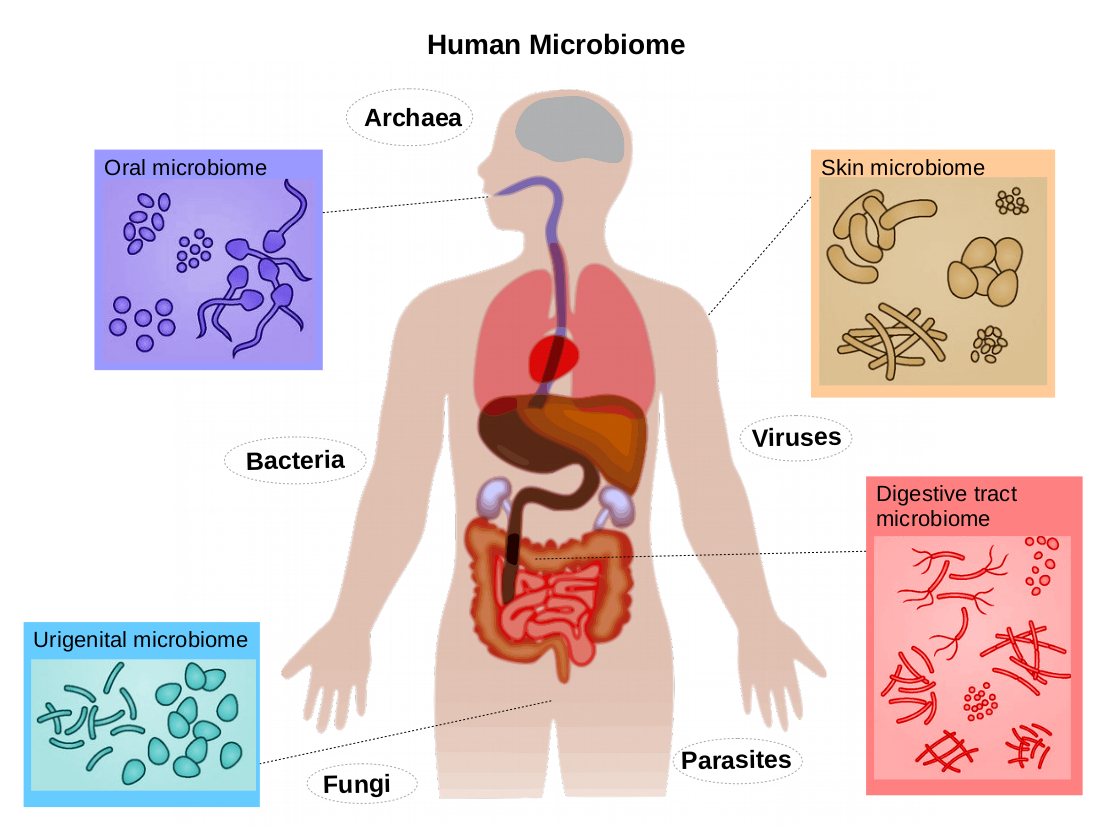
You have trillions of microbes on and
in your body. These microbes are a combination of:Bacteria.Fungi (including yeasts).Viruses.Protozoa.
The bacteria in your body are said to outnumber your
body’s cells at a 10-to-1 ratio. However, a recent study says that the ratio is
closer to 1-to-1. Much of these bacteria reside in your gut, and the
majority are quite harmless. Most of the gut flora is found in your colon, or large
intestine, which is the last part of your digestive tract.
For a microbe to be called a
probiotic, it must have several characteristics that include being able to:Be isolated from a human.Survive in your intestine after ingestion (being eaten).Have a proven benefit to you.Be safely consumed.
Probiotics are foods or supplements that contain live microorganisms intended to maintain or improve the “good” bacteria (normal microflora) in the body.Prebiotics are foods (typically high-fiber foods) that act as
food for human microflora. Prebiotics are used with the intention of improving
the balance of these microorganisms.
Why is this important?
Probiotics can be beneficial for both adults and kids.
If your child has an illness that requires an antibiotic medication for
treatment, taking a probiotic can help shorten symptoms.
Research is ongoing into the relationship of the gut
microflora to disease. The health benefits of currently available probiotics
and prebiotics have not been conclusively proved.
What are the benefits of a healthy Microbiome?
Researchers are trying to figure out exactly how
probiotics work. Some of the ways they may keep you healthy:
When you lose “good” bacteria in your body, for example after you take antibiotics, probiotics can help replace them.They can help balance your “good” and “bad” bacteria to keep your body working the way it should
Having the right gut bacteria has been linked to
numerous health benefits, including the following:
weight lossimproved digestionenhanced immune functionhealthier skinreduced risk of some diseases
There is also some research that shows they’re useful
for problems in other parts of your body. For example, some people say they
have helped with:
Skin conditions, like eczemaUrinary and vaginal healthPreventing allergies and coldsOral health Supplements that support the Diet for Your Active Lifestyle !to Learn More…Click Here
Food Sources:
Probiotics should not be confused with prebiotics,
which are carbs — often dietary fibers — that help feed the friendly bacteria
already in your gut.
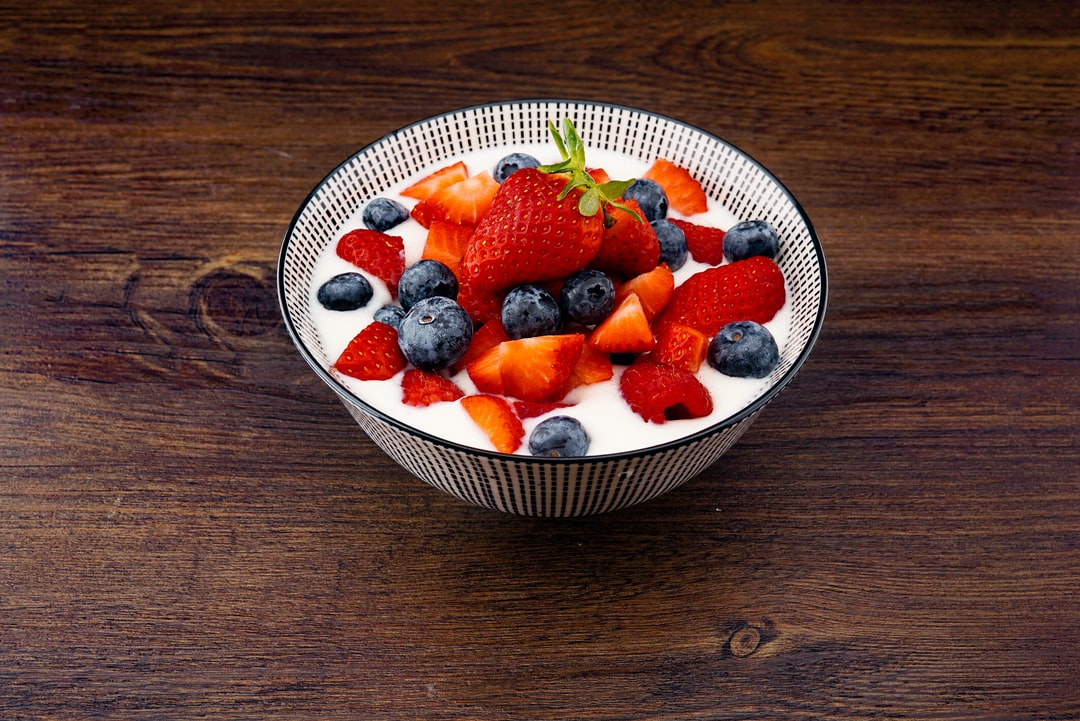
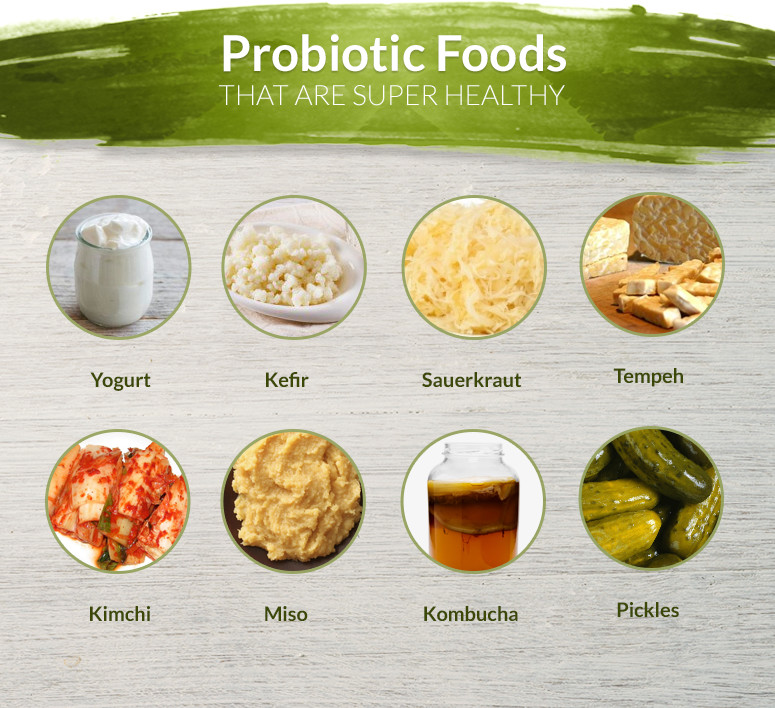
Probiotic foods include yogurt, kefir, sauerkraut, tempeh,
and kimchi.
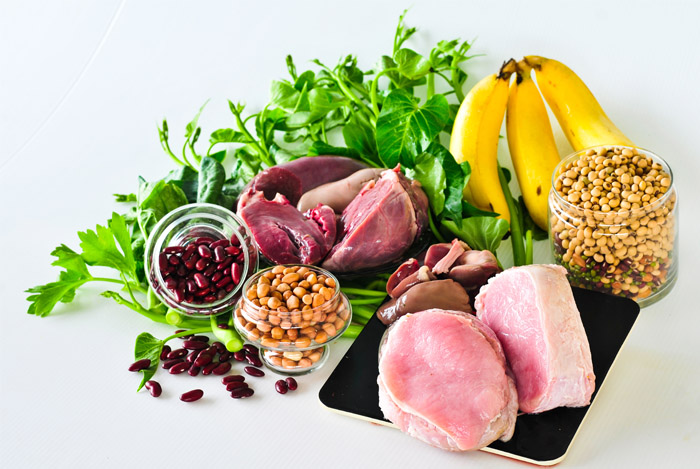
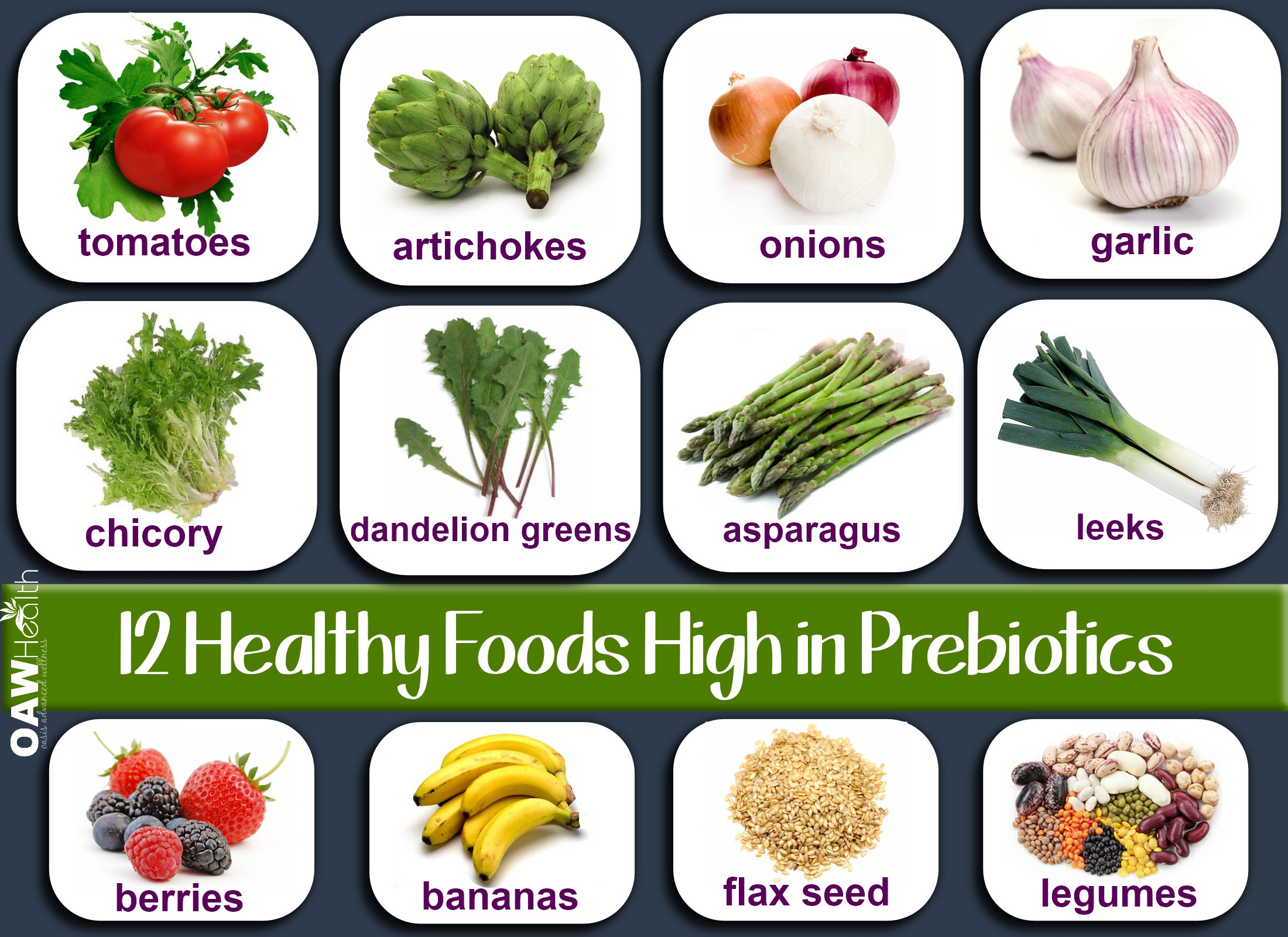
Prebiotics are in foods such as whole grains, bananas, greens,
onions, garlic, soybeans and artichokes.
Products that contain both
prebiotics and probiotics are referred to as synbiotics. Synbiotic
products usually combine friendly bacteria along with some food for the
bacteria to eat (the prebiotics), all in one supplement
Lactobacillus. This may be the most common probiotic. It’s the one
you’ll find in yogurt and other fermented foods.
Bifidobacterium. You can find it in some dairy products. It may help
ease the symptoms of irritable bowel syndrome (IBS) and some other
conditions.
Saccharomyces boulardii is a yeast found in probiotics. It appears to
help fight diarrhea and other digestive problems.
Data Sources
https://www.mayoclinic.org/healthy-lifestyle/consumer-health/expert-answers/probiotics/faq-20058065
https://www.webmd.com/digestive-disorders/what-are (Web view)https://www.healthline.com/nutrition/probiotics-101
https://my.clevelandclinic.org/health/articles/14598-probiotics
https://www.extrachai.com/https://oawhealth.com/
Share
Tweet
Pin
Share